
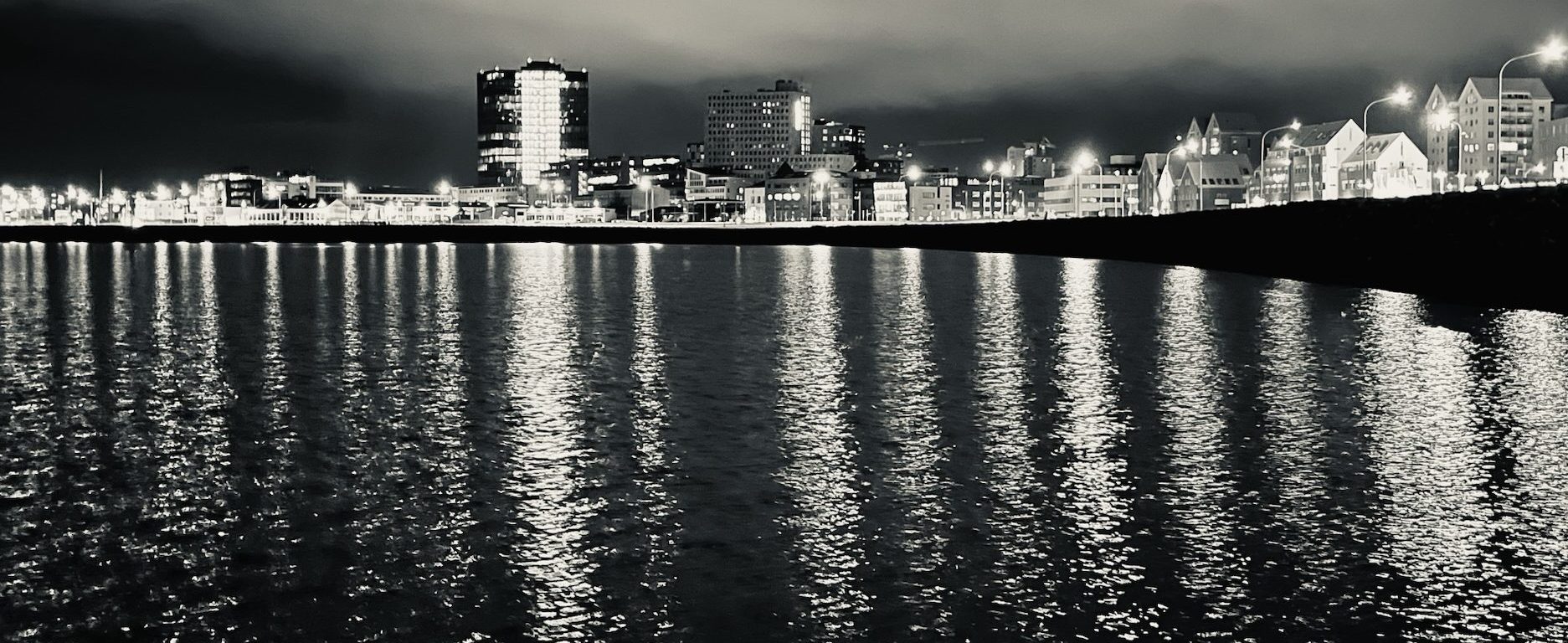
Six tourists for every Icelander walked these streets last year, according to Bloomberg’s tally of 2.2 million arrivals to a country of 387,000 souls.
The Ministry of Tourism is already budgeting for 2.5 million by 2026—roughly the population of Chicago crammed onto Iceland’s settled land, just 1 000 km² or so or about the size of Andorra.
Tourism now commands 8.8 % of Iceland’s GDP, its largest share on record. The revenue is welcome; the strain is undeniable.
Before working out what can be done to relieve that pressure, it might be worth considering how Icelanders and their prized tourist sector sometimes wind up doing one another a disservice.
The rent is too damn high — and Airbnb knows it
Let’s begin with the obvious one. Residential real-estate prices have marched to summit-fever.
The national Housing Index hit 783 points in December 2024, more than doubling over the past decade.
Now add short-term lets: “Almost 8 % of all homes in the capital area are listed on Airbnb,” an AirDNA study cited by Bloomberg warns.
In a city where land is hemmed by sea and basalt, every apartment drafted into the visitor economy is one subtracted from the long-term rental pool.
Even Iceland’s Tourist Board concedes that hotel construction lags far behind visitor growth; the-market-fills-the-gap logic funnels properties into nightly, not yearly, contracts.
The result? First-time buyers face mortgage payments that swallow 40 % of disposable income, the Central Bank estimates—up from 27 % in 2015. (Figures compiled from Stats Iceland house-price and wage indices.)
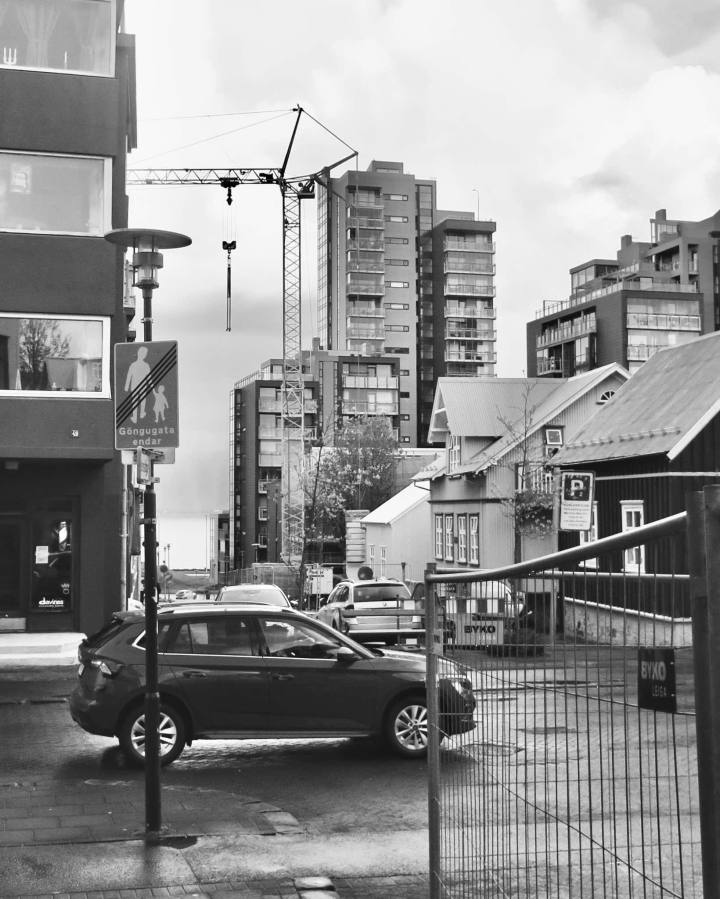
When English becomes the checkout language
The Icelandic language has weathered plague, volcanoes and the Reformation; it now battles the humble service bell. A 2021 survey of front-of-house staff found 70 % switched to English by default.
University linguists warn the language could slip into “domain loss” territory. Still spoken at home, but edged out of commerce, tech and tourism.
The irony? Iceland spends 1 % of GDP on cultural preservation, yet visitors may leave hearing more Californian drawl than sagas.
Transient Revenue, Permanent Obligations
It’s no secret that foreign labour has propped up Iceland’s tourism boom over the last decade. More than one-third of all tourism employees are non-Icelandic nationals, OECD research shows, drawn by quick contracts and wages triple those at home.
Many come for a season, post a Blue-Lagoon selfie, and depart before paying much into the tax base that funds Iceland’s renowned health and education systems.
Population grew 20 % in a decade, Reuters notes, stoking demand for housing and hospitals faster than fiscal planners can pour concrete. In a Nordic welfare model financed largely by payroll taxes, churn matters.
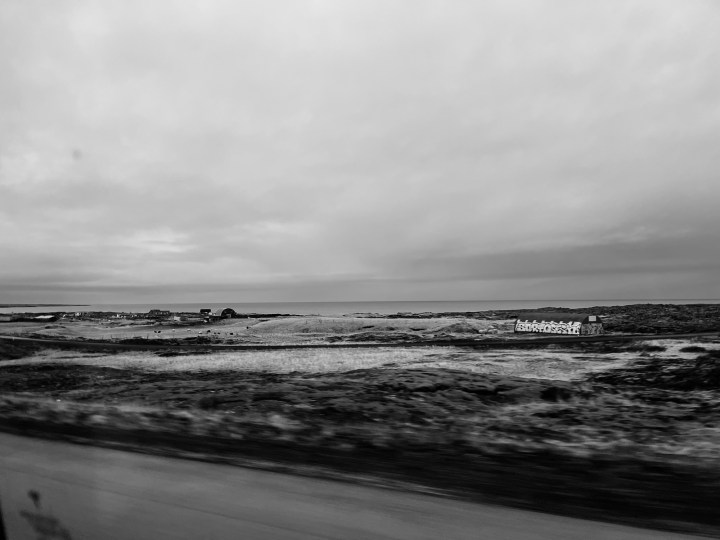
Roads, moss and the price of wonder
Then there is the matter of preserving the natural splendour that makes Iceland so attractive to visitors in the first place.
On the popular Golden Circle sightseeing route, bus tyres chew through single-lane roads built for sheep trucks. Park rangers at Thingvellir count 1.3 million footsteps a year across 1,000-year-old moss that regenerates at glacial pace. Sewage systems in tiny fishing villages clog after cruise-ship days.
Beyond nature, not even Iceland’s culture is exempt. Take Reykjavík’s indie music scene, which some might argue is retreating at a rapid pace. One only needs to look to the once beloved Kex Hostel, which shut its stage in 2024 as the building pivoted to upscale lodging.
Counting the cost — and the fixes
So, let’s summarise the problems discussed in this article so far, and perhaps offer some ways that might help break the current stagnation.
| Pressure point | What’s happening | Possible remedy |
| Housing | AirDNA: 8 % of capital housing on Airbnb | Cap short-term nights per year; levy dedicated housing tax |
| Language | English dominant in 70 % of service roles | Mandatory Icelandic signage & free language classes for workers |
| Infrastructure | Tourist buses outnumber locals’ cars on key routes | Per-head conservation fee (Venice model) earmarked for roads & parks |
| Labour churn | > ⅓ tourism jobs held by short-stay migrants | Progressive social-contribution surcharge refunded after 18 months’ residence |
The Ministry of Infrastructure has floated a “nature pass” (a flat €20 tag on every arrival) to channel money straight into trail repair and bus electrification. Parliament is also debating a 1 % Airbnb levy to subsidize affordable rentals for essential workers.
A Nation for Rent, a Culture at Risk
Hemingway once shaped Iceland’s lava plains into prose so lean you could see daylight through it. Today a drone hovers over Skógafoss, guided less by wanderlust than by an industry that sells the waterfall as a must-post trophy.
The crowd is not the culprit; demand is natural when the product is this good.
The real test is whether roads, housing and tax policy can keep pace. Tourism helped Iceland sprint out of the 2008 crater, but if the nation builds too little shelter for nurses and coders while adding plenty for weekenders, it risks turning culture into costume—and that is an infrastructure failure, not a visitor’s sin.
In the end, a nation is not a theme park.
It is children speaking their mother tongue in playgrounds, commuters affording a flat within sight of their workplace, moss that lives to see another thousand storms. Those are harder to hashtag—but priceless all the same.

When the Bubble Pops
When the last tour-bus pulls away and the Blue Lagoon steam drifts across an empty car park, the bill will land on the breakfast tables of those who stayed.
The numbers add up: earmark a slice of peak-season profits for roads, schools, affordable rentals, and the understaffed ranks of first responders—many of whom serve as volunteers—or pay later in stalled growth and social backlash.
A country that once sold wonder by the waterfall will have sold itself instead—priced its own children out of the saga.
There is still time to cauterize the wound: ring-fence tourism levies for local housing and transit, cap short-stay rentals, tie work permits to Icelandic-language courses, and make every cruise ship pay for every kilogram of sewage it flushes into fragile fjords.
Build infrastructure that outlives hashtags, and the next Instagram swarm will find a culture sturdy enough to greet them, and still be here after they scroll on.
Otherwise the world will remember Iceland’s tourism boom the way miners recall a played-out seam: nothing left but empty shafts and shovels nobody wants to buy.

 Reykjavík City Journal